
A love note to a place I’ll likely never visit…
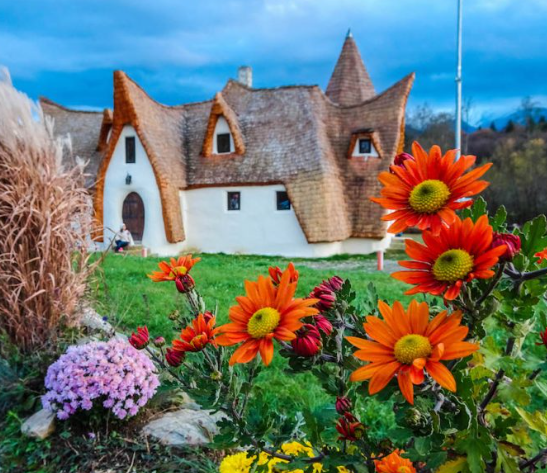
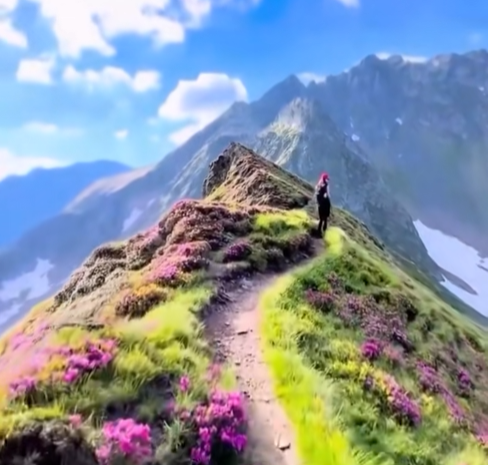
Leave it to me to attempt a travelogue for a location I’ve never visited. In my thirties I was sure I’d go any year now. Doubtless before the decade’s out. I’d devoured the various Lonely Planet guides, and also several competitors. I’d devised competing scenarios in my mind: whether to combine with Hungary or immerse in this land by itself; how to rightly construct a 2-week visit, including some solo village and back country walking; where to best find the indigenous music, the ancient Christianity trappings, the homemade food… And by my forties, although I’d journeyed to many a place under many different contexts, and even spent a week in neighboring Slovakia, cherished Romania was still somehow relegated to its “someday” status.
I know, of course, it’s not all medieval wonderland and barely aged-out Vlad-Impaler legends. In fact, the first cultural morsel which catapaulted this fascinating place into my permanent radar was a scene from the 1993 musical documentary, of sorts, Latchmo Drom (Safe Journey) by Tony Gatlif, in which two wizened old men enchant a young boy under a countryside tree, playing a hammered dulcimer and a violin with a strange spare technique while mournfully singing of the injustices of Ceaucescu. Romany-Gypsy itinerant music, not even Romanian per se. But I was hooked and knew I had to begin reading. Well, additional reading. I had been working through Rebecca West’s “Black Lamb and Grey Falcon”, a magnum opus of her travels through the former Yugoslavia between 1936 and ’38, a period still tucked safely before the war, when anything east of the Adriatic was swaddled in mystery for the rest of Europe, and deeply asleep for someone dwelling in America. This, by way of gaining a foothold’s grasp upon Eastern Europa in general. A place where the very folk psychology and spirit of the populace seemed to contain a dimension that I was unprepared to deal with. A place that felt like it would flower unpredictably in important ways in some far future, centuries hence. Whatever was cooking there would take time to brew, and suffering was part of the recipe. If I’m over-romanticizing here, well, that’s what I do, but I believe it still.
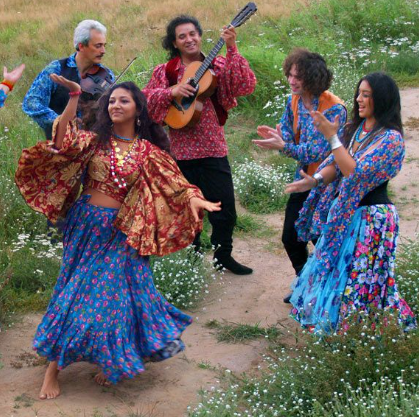
Gatlif’s film traces the etymology of the Roma tribes as waves of music-driven migrations, an extended exodus ever in search of greener meadows and looser restrictions against their nomadic preferences. An arc of centuries originating in the deserts of Rajasthan across into old Persia, Turkey, Egypt, and so on. At each generations-long stop-over they took up the instruments and broad vocabulary of the local musics and morphed them into their own unique rhythm-inside-the-blood style. Always under suspicion, castigation, and ever defiantly proud. The official population stats as well as the real numbers (three times higher) give Romania as the European nation harboring the most of their kind, present day, with Bulgaria, Russia, and Hungary not far behind.
Where willst thou go, my darling first Son?
For to walk alone this world, you seem too young.
>>>Perchance — to kiss a fair gypsy lass, I dream.
>>>She lingers finding berries and wild herbs by a stream.
>>>Or maybe, Mama, I would study lore with a wise one.
>>>Happening on him trekking days of hard rain and sun.
Come back home then safely, though changed, darling boy.
That we once more might share in your radiant joy.
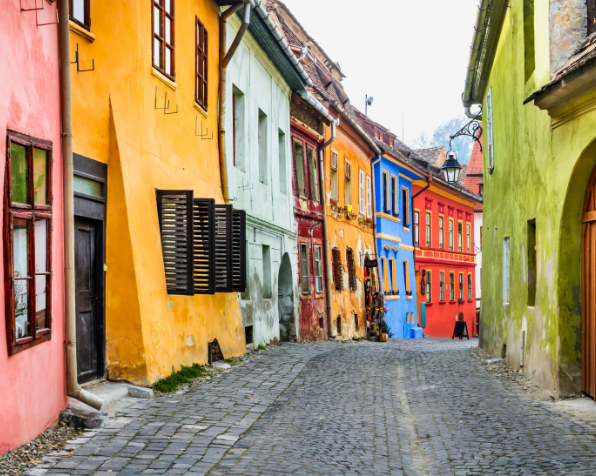
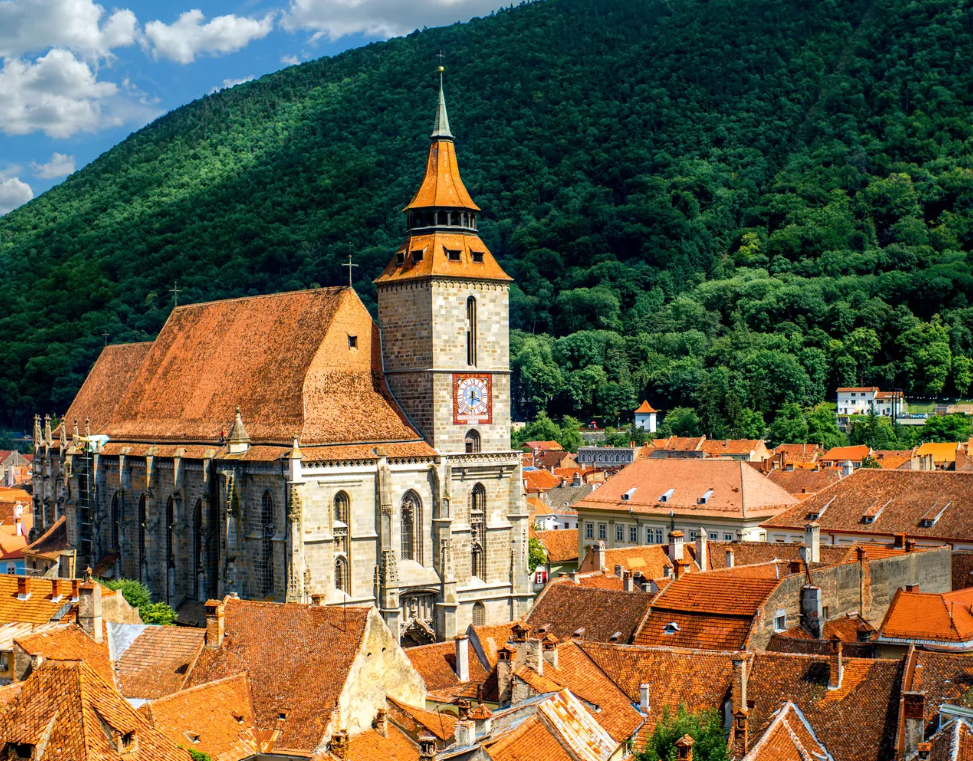
But what of the actual Romanians? Their strangely persistent romance tongue descended from Latin, closer to Italian than to anything Slavic. (P.S. wanna hear a quick sample of spoken Romanian?) Their land at a crossroads of millenias-worth of invaders, Black Sea on their east coast and the horse-plains of Hungary to their west. More often than not, whenever I meet one of their expats in the West they are not exactly homesick. Poverty, I surmise, is a frequent emigration motivator. But also one senses the wounds of Timisoara still infecting many beneath the healed skin. Still, there is a displaced almost-nostalgia in their auras as well. Something missing here; something that can only be re-experienced back home, in the city’s intelligentsia and the village’s earthiness. Almost always in their hardiness dwells something I truly admire, and wish against time with them that they needn’t have felt the emergency of departure. Like all displaced, they know that something in their remembered native soil sustains them, and I long to get the feel of this place.
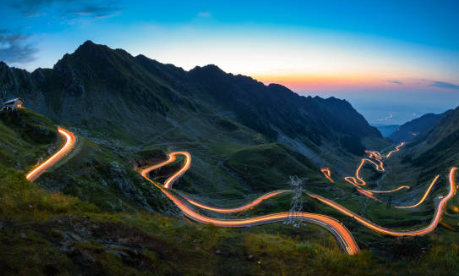
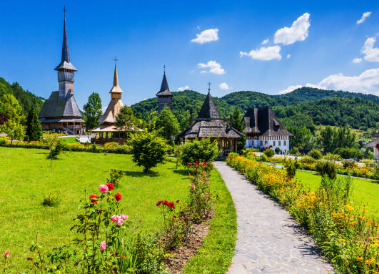
_______RS
► Handy INDEX — scan through all available ||SWR|| articles


Judging from the photos, it looks like Romania is a beautiful place to visit.
LikeLiked by 1 person